Kyle Hornberg
Kyle runs Rising Tide Consulting on the Sunshine Coast and writes plain-English guides for business owners choosing practical AI workflows.
EmailAI adoption that respects the business.
Kyle's writing focuses on where AI actually fits in established businesses: workflow assessment, Claude setup, team training, customer enquiry handling, policy, ROI, and AI search visibility.
The advice is intentionally practical. It starts with repeated work, the information AI needs, the quality standard for outputs, and the human review required before anything reaches a customer.
Latest writing.

Your team uses AI. Why is the admin still piling up?
Find why individual AI use is not reducing admin. Use a five-day observation sheet to measure waiting, rework and handoffs before changing your workflow.

Where AI and robotics will help service businesses first
For service businesses, the first value from AI and robotics is likely to come from better information flow, inspection, monitoring, logistics, and bounded physical tasks—not a humanoid replacement.

How to assess a robotics opportunity before buying hardware
Map the physical task, variability, safety, volume, human judgement, integration, lifecycle cost, and pilot criteria before selecting a robot.
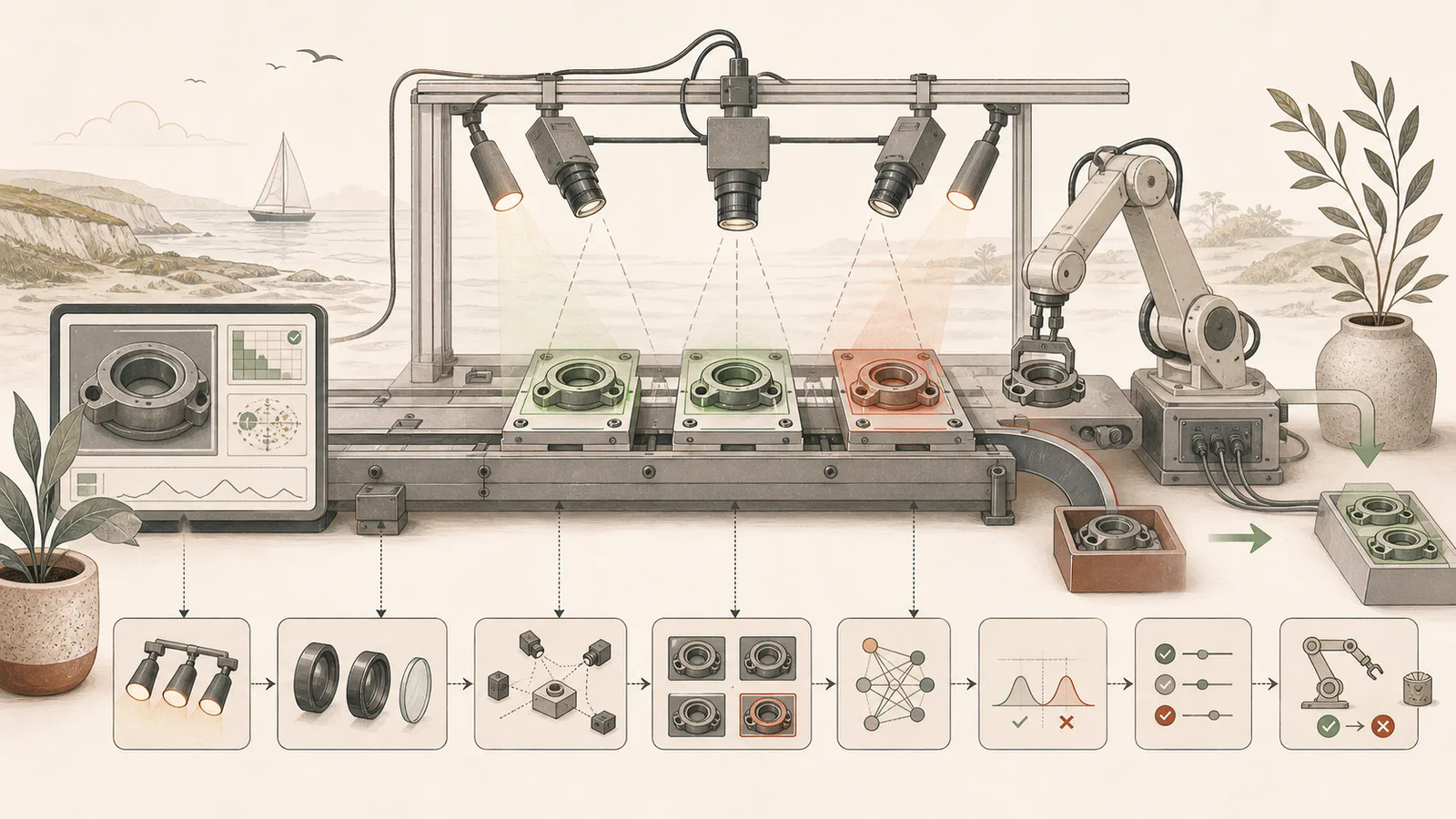
Machine vision: the practical bridge between AI and robotics
Machine vision uses cameras, lighting, optics, and software to inspect, locate, count, measure, or guide physical work. The business case starts with a measurable visual decision.

Robotics as a service: automation without buying the robot
Robotics as a service can turn hardware into a subscription or usage cost, but businesses still need to assess workflow fit, service levels, safety, data, maintenance, and exit.
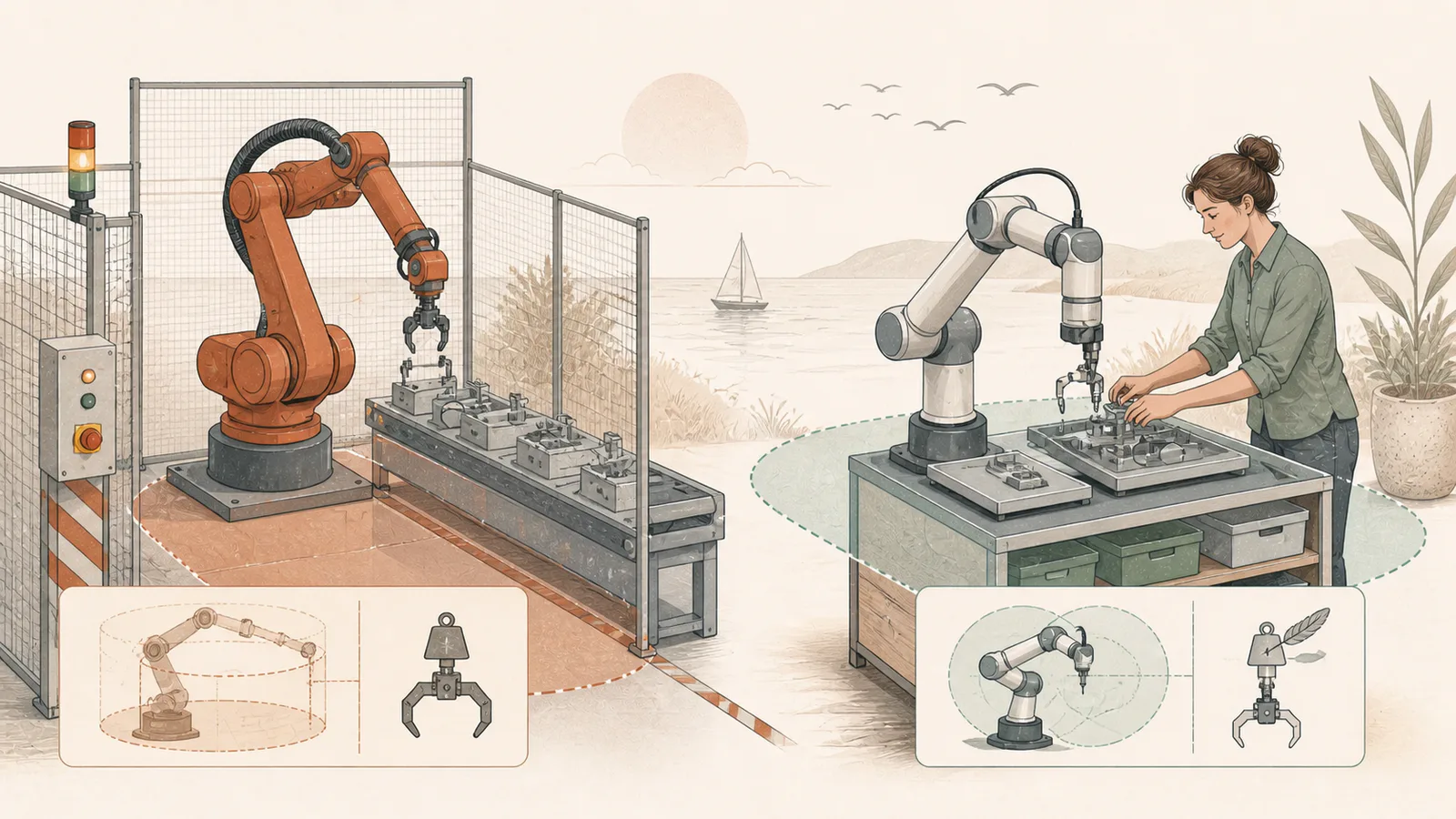
Cobots vs industrial robots: what businesses should know
Cobots are designed for collaborative applications, while traditional industrial robots often prioritise speed and controlled separation. The task and full workcell determine the right choice.